Longer Cruises: Why More Guests Are Choosing Slow Travel at Sea
Updated: Jul 31
Longer cruises: a different kind of vacation
Longer cruises change the meaning of a vacation. A short sailing can be fun, convenient, and refreshing, but it often feels like a quick interruption to normal life. Longer cruises create a different rhythm. After a few days, the ship stops feeling like a hotel and starts feeling like a temporary home. You learn your favorite places onboard, recognize crew members, and settle into a pace that is harder to find on land.
This is why many people are drawn to extended sailings, Grand Voyages, and repositioning cruises. They are not only buying more nights. They are buying continuity. The journey has time to develop. Ports are connected by sea days, conversations continue over several dinners, and the vacation becomes less about escaping life and more about living differently for a while.
For the right guest, that difference is exactly the point.
Slow travel at sea: why sea days matter
Sea days are sometimes misunderstood by people who have never taken a longer cruise. They imagine empty time. In reality, sea days are often what make the trip feel restorative. There is no luggage to move, no airport to reach, no hotel lobby to cross with bags, and no pressure to solve a new city every morning. The ship carries the guest forward while the body has time to catch up.
Slow travel at sea gives space for reading, walking, writing, spa time, lectures, meals, fitness, or simple quiet. It also helps guests absorb what they saw in the previous port before arriving somewhere new. That pause can make the whole journey feel more meaningful.
Some people need constant stimulation and may find long stretches at sea too still. Others discover that the quiet is the luxury they did not know they wanted.
Grand Voyages: when the route becomes the story
Grand Voyages appeal because they usually have a clear sense of direction. They may cross oceans, connect continents, follow seasonal patterns, or link regions that feel naturally related. Instead of a loop that begins and ends in the same familiar port, the itinerary can feel like a chaptered journey.
The route matters more on a longer cruise than on a short one. A weak itinerary cannot hide behind the ship for several weeks. The ports, sea days, scenic cruising, and overnight stays need to make sense together. When they do, the voyage feels bigger than a list of destinations. It feels like movement with purpose.
This is where professional planning becomes useful. Two voyages may look similar at first glance, but the details can create very different experiences.
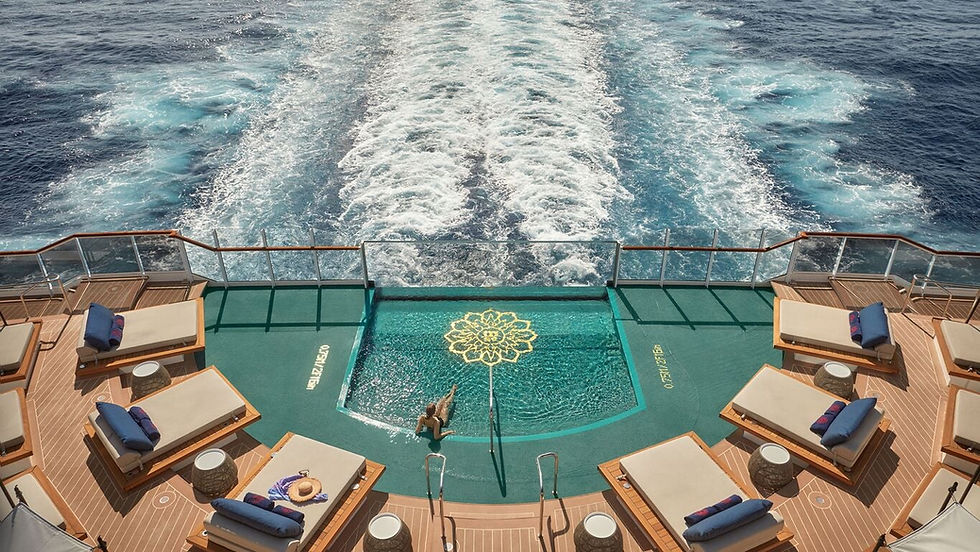
Extended cruises: comfort, cabin choice, and routine
On an extended cruise, cabin choice becomes more personal. For three nights, almost any cabin can be manageable. For three weeks, storage, location, natural light, noise, and balcony access matter more. The right cabin can support the trip. The wrong one can quietly create irritation every day.
Routine also becomes part of the pleasure. People may find a breakfast pattern, favorite lounge, preferred deck, or evening ritual. This does not make the trip boring. It gives the journey a base. From that base, ports feel less tiring because the guest always returns to something familiar.
Packing needs a smarter approach too. Longer cruises reward layers, repeated outfits, laundry planning, and realistic choices. Bringing more is not the same as being prepared.
Cruise lifestyle: who should consider a longer sailing
Longer cruises are not only for retirees, although retirees often have the time to enjoy them. They can suit remote professionals, couples celebrating a milestone, vacationers between life chapters, and anyone who wants a more immersive way to move through the world. The common factor is not age. It is comfort with rhythm.
If you enjoy unpacking once, watching the ocean, meeting people gradually, and letting travel unfold without constant logistical effort, a longer cruise may be a strong fit. If you dislike routine, need nightlife every night, or want maximum independence in every destination, you may need to choose carefully.
The best longer cruise feels generous rather than excessive. It gives you more time, but more importantly, it gives you a different relationship with time.
Extended cruises: the details that make long sailings work
Longer sailings ask for a different kind of preparation. You are not only packing for weather and dress codes. You are preparing for routine, comfort, storage, and the small habits that make a cabin feel livable. Someone who plans laundry, layers, shoes, medications, chargers, and repeatable outfits will usually feel more comfortable than someone who simply brings more luggage.
The onboard rhythm matters too. On a longer cruise, you may not want to treat every evening as a special event. Some nights can be quiet. Some meals can be simple. Some sea days can be completely unproductive. That permission is part of the luxury. The trip becomes easier when you stop performing vacation and start living it.
Excursions should be chosen with stamina in mind. A short cruise can handle back-to-back intense port days. A longer voyage needs balance. Mix major tours with lighter wandering, scenic drives, food experiences, and free time. You want to finish the journey with memories, not just proof that you kept moving.
Social life can also become part of the appeal. Longer cruises give time for conversations to develop naturally. You may meet people at dinner, in a lounge, during a lecture, or on an excursion, then see them again without forcing anything. For many people, this gentle community is one of the unexpected pleasures.
The best longer cruises are not packed from morning to night. They are designed with confidence. They trust the sea days, trust the route, and trust the guest to enjoy a pace that is deeper than the usual vacation rush.

Final Planning Perspective
Another useful planning filter is energy. people often plan as if every day will feel the same, but real trips have peaks and dips. A demanding day should be followed by something lighter. A late night should not be followed by the most important early morning of the vacation unless there is a strong reason.
The order of experiences also matters. Put the most important moments when you are likely to be most present. Do not save every highlight for the end if fatigue may be building. At the same time, do not overload the beginning before you have settled into the rhythm of the destination.
Budget should support priorities rather than chase perfection everywhere. Spend where it changes the trip: location, comfort, timing, a special guide, or a key experience. Save where the difference will barely be noticed. This approach usually creates a better trip than spreading the budget evenly across everything.
Travel companions need consideration as well. A plan that works for one person may not work for a couple, family, or group. The best itinerary respects different energy levels and gives everyone at least one moment that feels personally meaningful.
A longer cruise works best when the ship becomes part of the destination. The days at sea, the familiar crew, the slower mornings, and the small routines are not empty space. They are part of the value.
What This Kind of Cruise Really Asks For
Before choosing a long sailing, look beyond the map and ask whether the rhythm fits your real life. The right voyage should make you curious, not exhausted before you even pack.
A memorable trip is usually built from a few excellent decisions rather than dozens of average ones. Choose the moments that matter, protect them with smart logistics, and let the rest of the journey have enough space to feel natural.


Comments