Paris, Barcelona & Rome: The Perfect First Europe Itinerary
For many people, the first serious trip to Europe starts with a familiar dream: Paris, Barcelona and Rome. It is easy to understand why. These three cities feel cinematic before you even arrive. Paris gives you elegance, museums, cafes and long walks beside the Seine. Barcelona brings color, architecture, beaches and a more relaxed Mediterranean rhythm. Rome adds ancient history, expressive food culture and the kind of streets where a simple evening walk can become the highlight of the day.
The challenge is that an itinerary like this can quickly become too busy. People often try to see every famous landmark, book every museum, eat at every recommended restaurant and move between cities with no breathing room. On paper, it looks efficient. In real life, it can feel like running through Europe with a suitcase.
A good first Europe itinerary should not only connect famous cities. It should create a natural progression. Paris, Barcelona and Rome work especially well when the trip is designed with enough contrast, enough rest and a clear sense of priorities. The goal is not to prove that you saw everything. The goal is to return home with memories that feel sharp, personal and unforced.
First Europe Itinerary: why this route works so well
Paris, Barcelona and Rome each represent a different side of European travel. Paris is refined and layered. It rewards slow mornings, museum time, food markets and neighborhoods that are best discovered on foot. Barcelona is more sensory and playful. The city gives you Gaudi architecture, tapas, seaside energy and a strong local identity. Rome is dramatic and deeply historical, but also surprisingly warm if you allow time for simple routines like coffee, pasta and evening walks.
Together, they make a strong first Europe itinerary because the cities are different without feeling disconnected. You move from French elegance to Catalan creativity to Italian history. The route also gives first-time guests a balanced mix of culture, food, architecture, shopping and landmark sightseeing.
The biggest mistake is treating all three cities the same. Paris asks for a slower pace. Barcelona invites wandering and neighborhood exploration. Rome benefits from early starts and carefully planned visits to major sites. A personalized itinerary should respect those differences instead of forcing one generic travel rhythm onto the whole journey.
Paris Barcelona Rome: how many days you really need
For most people, ten to twelve days is the sweet spot. You can do the route in nine days, but it becomes tighter and less forgiving. With ten nights, a balanced structure could be four nights in Paris, three nights in Barcelona and three nights in Rome. With twelve nights, you could add one extra night in Barcelona and one extra night in Rome, or add a relaxed arrival day in Paris.
Paris deserves time because jet lag can affect the first day. Even if you land full of energy, your body may not cooperate. Giving Paris four nights allows you to settle in, visit major sites and still enjoy the slower pleasures of the city. That could mean a long cafe breakfast, a walk through Saint-Germain-des-Pres, an evening cruise on the Seine or a quiet hour in a garden.
Barcelona can work beautifully in three nights if you plan carefully. You can include the Sagrada Familia, Park Guell, the Gothic Quarter, a tapas evening and time near the waterfront. Four nights are better for people who want a beach afternoon, more food experiences or a possible day trip.
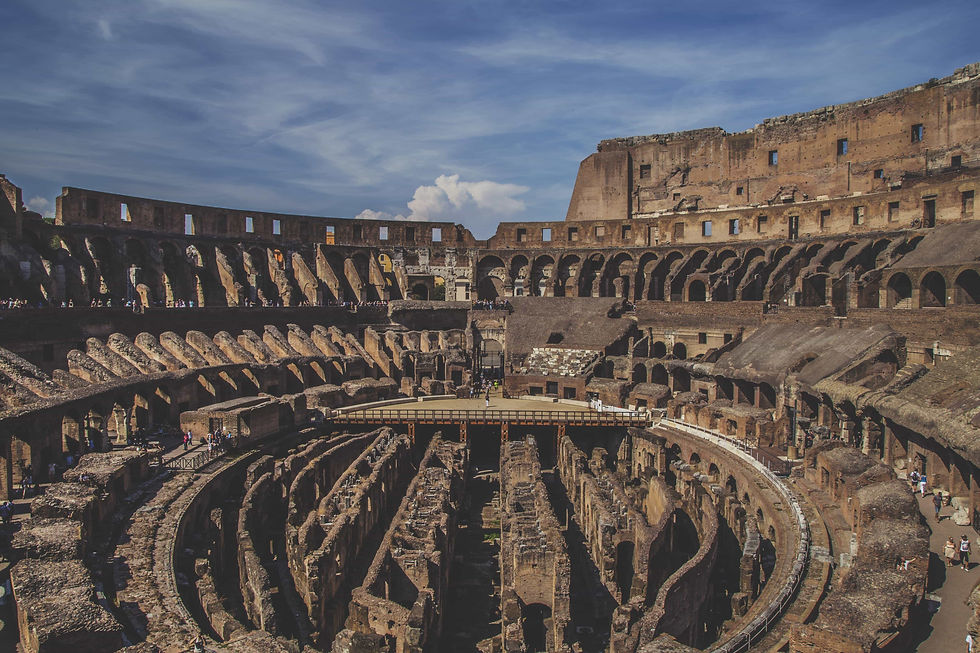
Rome is the city where people often underestimate the physical pace. The Colosseum, Vatican Museums, Trevi Fountain, Spanish Steps, Pantheon and Trastevere can fill several days quickly. Three nights can work, but four nights feel much better if you want the trip to feel enjoyable rather than rushed.

Multi-City Europe: the best order for the journey
The most natural order is Paris, Barcelona and Rome. This works well emotionally and logistically. Paris is a strong opening city because it feels iconic from the beginning. Barcelona then changes the energy of the trip with warmer colors, bolder architecture and a lighter coastal mood. Rome makes a powerful finale because the city feels grand, emotional and memorable.
Another option is Rome, Barcelona and Paris. This can be useful depending on flight prices or if you want to end with a more polished, romantic city. Still, for first-time guests, ending in Rome can feel more satisfying. Rome has a way of making the final nights feel abundant, especially if the itinerary leaves space for an unhurried dinner and one last walk past illuminated ruins.
Travel between the cities is usually best handled by flights because train journeys between all three can be long. The key is not only choosing the cheapest flight, but also choosing flight times that protect the day. A very early flight may look smart, but it can turn into a tired day if you need to wake up at 4 a.m. A midday flight often works better because you can leave the hotel calmly, arrive in the next city and still enjoy the evening.
European Travel Planning: what to book in advance
Some experiences should be planned ahead, especially in high season. In Paris, the Louvre, Eiffel Tower, Sainte-Chapelle and certain restaurants can require advance planning. In Barcelona, the Sagrada Familia and Park Guell should not be left to chance. In Rome, the Colosseum, Vatican Museums and special guided experiences are much easier when arranged early.
That said, not every hour should be scheduled. A common planning mistake is building an itinerary that has no room for discovery. Europe is not only made of attractions. It is also made of markets, side streets, small bakeries, local neighborhoods and unexpected moments. A strong itinerary blocks the essentials, then leaves open space around them.
A helpful method is to assign one major anchor per day. For example, one day in Paris can be built around the Louvre, another around the Eiffel Tower area, another around Montmartre. In Barcelona, one day can center on Gaudi, another on the Gothic Quarter and waterfront. In Rome, one day can focus on ancient Rome, another on the Vatican, another on historic center wandering.
Personalized Itinerary: making the trip feel like yours
The difference between a decent trip and a memorable trip is usually personalization. Two guests can visit the same three cities and have completely different experiences. A couple interested in food and wine should not follow the same plan as a family with teenagers. Someone who loves art needs a different rhythm from someone who wants atmosphere, shopping and beautiful hotels.
Personalization starts with honest preferences. Do you want to wake up early or enjoy slower mornings? Do you prefer famous restaurants or casual local places? Are museums a priority or just part of the background? Do you want luxury hotels, boutique stays or practical locations near transport? These answers change the entire itinerary.
For example, in Paris, one guest may want a Louvre-focused day with a private guide, while another may prefer a market visit, a pastry stop and a relaxed walk through Le Marais. In Barcelona, one person may care deeply about architecture, while another wants beach time and tapas. In Rome, some guests want deep history, while others want food, piazzas and beautiful evenings.
Where to stay in each city
Location matters more than many people realize. In Paris, staying central can save energy, especially for a first visit. Areas around Saint-Germain-des-Pres, the Marais, the Latin Quarter, the Opera district and parts of the 7th arrondissement can work depending on style and budget. The right choice depends on whether you want romance, convenience, nightlife, shopping or a quieter base.
In Barcelona, first-time visitors often do well in Eixample, the Gothic Quarter or areas close to Passeig de Gracia. Eixample is especially practical because it has good hotels, restaurants, transport and access to Gaudi sites. The Gothic Quarter has charm but can feel busier and more touristy in certain pockets.
In Rome, location can dramatically affect the experience. Staying near the historic center, Campo de' Fiori, Pantheon, Spanish Steps, Monti or Trastevere can make evenings easier. Rome is best when you can walk after dinner without turning every outing into a long transfer.
What to skip without regret
A first trip to Europe becomes better when you accept that you cannot see everything. In Paris, you do not need to visit every major museum unless you love museums. In Barcelona, you do not need to fill every day with timed attractions. In Rome, you do not need to join every famous line just because it appears in a guidebook.
Skipping is not failure. It is strategy. It gives you more space for the experiences that match your travel style. Sometimes the best memory is not the landmark you forced into the schedule, but the afternoon you left open.
With the right timing, good hotel choices and a few carefully selected experiences, this classic first Europe itinerary can feel far more special than generic.


Comments