Rome, Florence & Venice: The Classic Italy Itinerary
Rome, Florence and Venice form one of the most classic travel routes in Italy. It is popular for a reason. In one journey, guests can experience ancient ruins, Renaissance art, Tuscan atmosphere, canals, churches, piazzas, food traditions and some of the most recognizable cityscapes in the world.
The route is especially strong for a first trip to Italy because each city has a clear identity. Rome is powerful, layered and full of life. Florence is artistic, walkable and elegant. Venice is atmospheric, unusual and unlike anywhere else. Together, they create a trip that feels complete without needing to add too many extra stops.
The risk is trying to do too much. Italy rewards attention. If you rush, the cities blur together. If you plan with care, the same route can feel rich, romantic and surprisingly smooth.
Italy Itinerary: why this route remains the classic
Rome, Florence and Venice work because they tell different chapters of Italy's story. Rome connects you to the ancient world, the Vatican, grand piazzas and everyday Italian street life. Florence brings the Renaissance into focus through art, architecture and Tuscan culture. Venice closes the journey with water, mystery and beauty that feels almost theatrical.
This route also works logistically. Train connections between the three cities are straightforward, especially compared with more complicated multi-country trips. You can travel from Rome to Florence, then from Florence to Venice, without needing flights between cities. That makes the itinerary feel more relaxed and efficient.
For first-time visitors, this matters. Italy already offers a lot of sensory information: language, food, museums, crowds, streets, churches and different local rhythms. A simple route allows guests to enjoy the trip instead of constantly managing logistics.
Rome Florence Venice: how many days to spend
A comfortable version of this itinerary usually needs nine to eleven days. With nine nights, a good split is four nights in Rome, three nights in Florence and two nights in Venice. With ten or eleven nights, Venice deserves a third night, or Florence can be expanded with a Tuscan day trip.
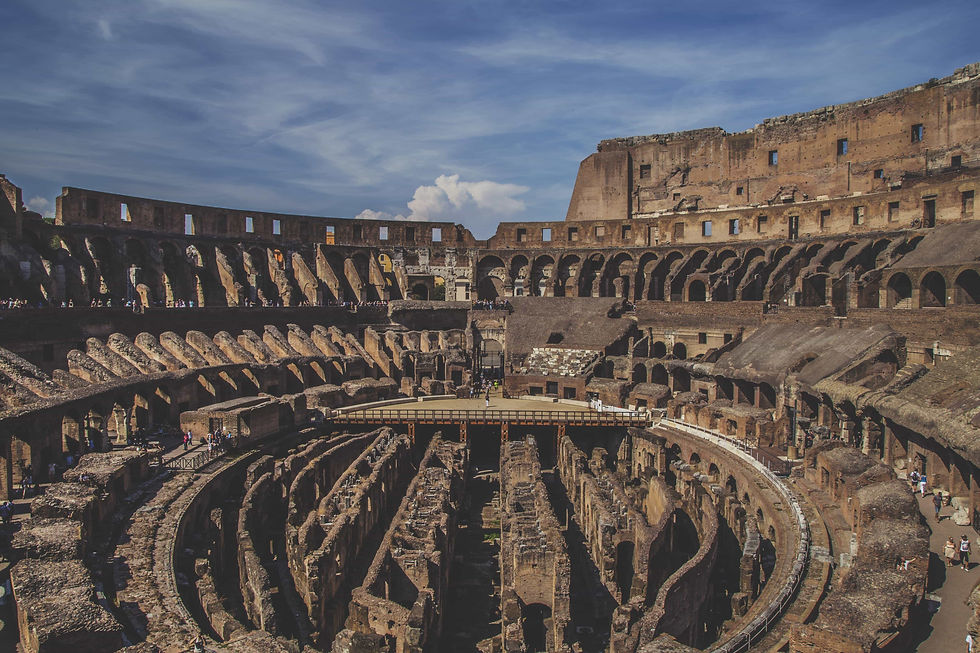
Rome needs the most time. The city is large, intense and full of major sites. The Colosseum, Roman Forum, Vatican Museums, St. Peter's Basilica, Pantheon, Trevi Fountain, Spanish Steps and Trastevere can easily fill several days. Trying to see Rome in two nights is possible, but it usually feels like a preview rather than a visit.
Florence is smaller and easier to navigate. Three nights can work well for the historic center, Uffizi Gallery, Accademia, Duomo area, Ponte Vecchio and a few memorable meals. A fourth night is useful if you want a day trip to Siena, Chianti, Pisa, Lucca or the Tuscan countryside.
Venice can be experienced in two nights, but three nights feel better. Many day visitors leave by evening, and Venice becomes more atmospheric when you wake up there and walk after the crowds thin.
Classic Italy Trip: the best order
For most people, Rome to Florence to Venice is the best order. It starts with the most historically intense city, transitions into the art and beauty of Tuscany, then ends with the dreamlike atmosphere of Venice. The journey feels like it becomes lighter as it moves north.
Starting in Venice and ending in Rome can also work, especially if flights are better. But Rome can be a demanding final city if you are already tired. Ending in Venice often feels more romantic and reflective.
Train travel supports this order well. High-speed trains from Rome to Florence are efficient, and Florence to Venice is also straightforward. The key is booking times that do not destroy the day. Mid-morning departures often work well because you can check out calmly and arrive in the next city with part of the afternoon still available.
Italy Travel Planning: what to book in advance
Italy is not a destination where everything should be improvised, especially in high season. In Rome, the Colosseum and Vatican Museums should be planned ahead. In Florence, the Uffizi and Accademia are worth booking before arrival. In Venice, certain special experiences, private tours or popular restaurants may also need advance planning.
The goal is not to schedule every minute. It is to protect the experiences that matter most. A balanced itinerary might include one major planned visit each day, then leave space for wandering, meals and rest.
This is particularly important in Italy because the streets themselves are part of the experience. If you only move from reservation to reservation, you miss the texture of the country. A good itinerary makes room for gelato stops, quiet churches, small shops and the pleasure of getting slightly lost.

Italian Art and History: making museums meaningful
Italy can overwhelm guests with art and history. Every guidebook says something is essential. Every church seems important. Every museum has masterpieces. The problem is that too much art without context can become tiring.
A better approach is to choose fewer experiences and understand them more deeply. In Rome, a guided visit to ancient sites can make the Colosseum and Forum more meaningful. In Florence, a focused Uffizi visit can be better than wandering for hours without direction. In Venice, learning about the city's maritime history can make the architecture and layout more interesting.
Private or small-group guides can be worth it for major sites, especially for people who want context rather than just photos. But not every experience needs a guide. Sometimes a slow walk with a clear neighborhood plan is enough.
Where to stay in Rome
Rome is best when you can walk to dinner and enjoy evenings without complicated transport. Areas near the Pantheon, Piazza Navona, Campo de' Fiori, Spanish Steps, Monti and parts of Trastevere can work well depending on budget and style.
First-time visitors should be careful with hotels that look affordable but are far from the atmosphere they want. Rome is not only about reaching monuments. It is about the feeling of stepping outside and already being somewhere beautiful.
If you want convenience, central locations are worth considering. If you want nightlife and charm, Trastevere may appeal. If you want boutique style with access to ancient Rome, Monti can be a good fit.
Where to stay in Florence
Florence is compact, so location is simpler. Staying within or near the historic center usually makes sense. You can walk to major sites, return to the hotel during the day and enjoy evenings without stress.
The main decision is atmosphere. Some guests want to be close to the Duomo and main museums. Others prefer quieter streets or hotels near the Arno. Florence can feel crowded during the day, so a hotel that gives you a calm retreat can improve the experience.
Because Florence is walkable, hotel quality and style may matter as much as exact location. A beautiful small hotel can make the city feel more intimate.

Where to stay in Venice
Venice requires more thought than people expect. A hotel near St. Mark's Square offers iconic access but can be crowded. Areas like Dorsoduro, Cannaregio or parts of San Polo can feel calmer and more local while still being convenient.
Luggage logistics matter. Venice has bridges, boats and narrow streets. Arriving with too many bags can become frustrating. Choose hotel locations with arrival access in mind, especially if on a trip with older guests or heavy luggage.
A good Venice stay is not only about being close to the main sights. It is about enjoying the city when it is quiet.
What to skip without guilt
Do not add too many cities just because they are famous. Milan, Naples, the Amalfi Coast, Pisa and Cinque Terre are all tempting, but adding them to a short Rome, Florence and Venice trip can weaken the experience.
Also, do not feel obligated to enter every church or museum. Italy is best when you leave space for appetite and atmosphere. A slow lunch, a market visit or an evening walk can be as memorable as a famous attraction.
The classic Italy itinerary works because it has a clear structure. Rome gives scale, Florence gives beauty and Venice gives magic. Planned well, the route feels timeless rather than touristy.


Comments